 By mrtwinsvlog@gmail.com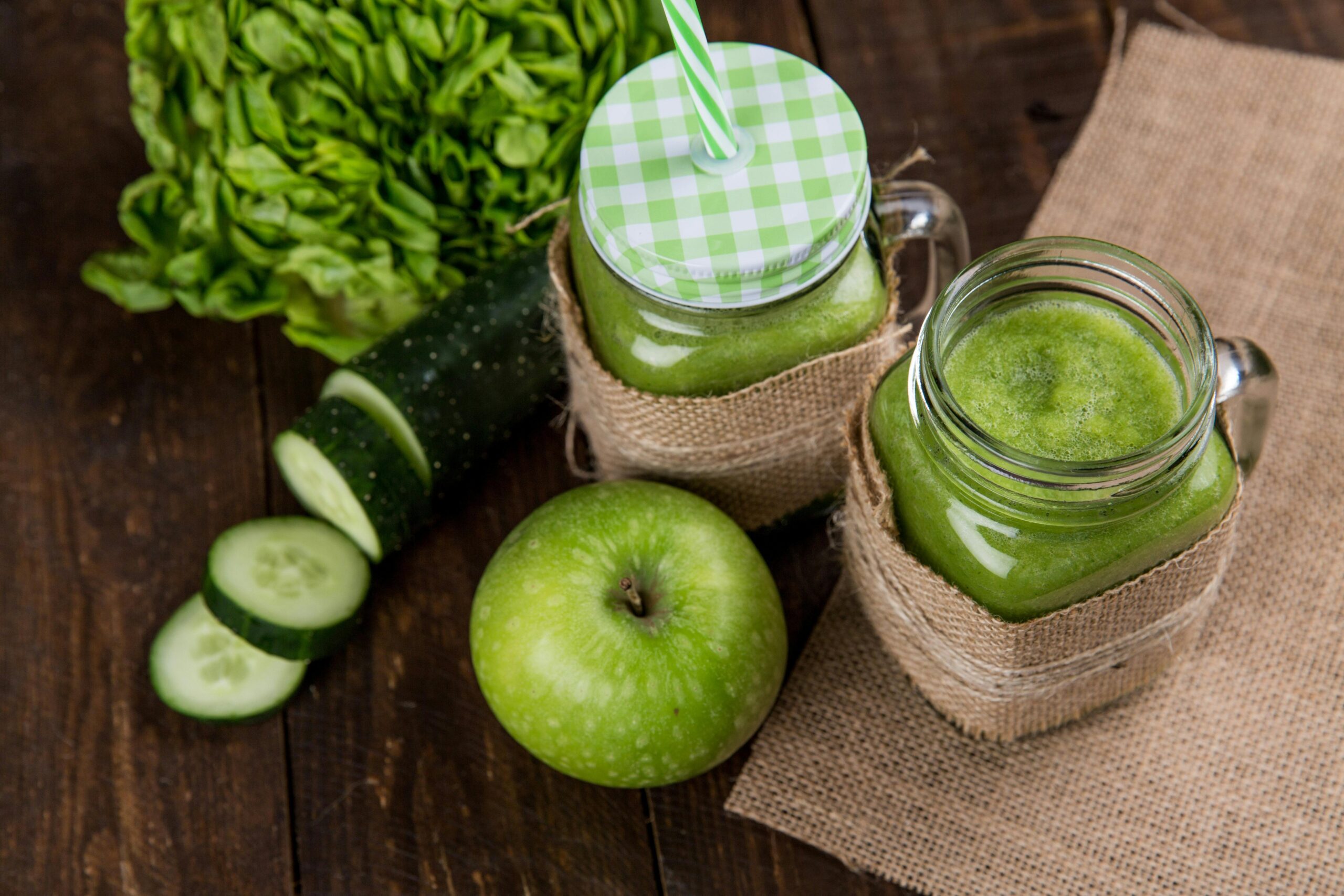
Delicious and Healthy Low Carb Smoothie Recipes to Fuel Your Day
Looking for an energizing way to start your day while sticking to your dietary goals? Healthy low carb smoothie recipes offer a delicious and convenient solution for wellness-focused individuals. In this guide, you’ll discover everything from the basics to advanced techniques for crafting low carb smoothies that are both nutritious and satisfying.
Understanding the Fundamentals
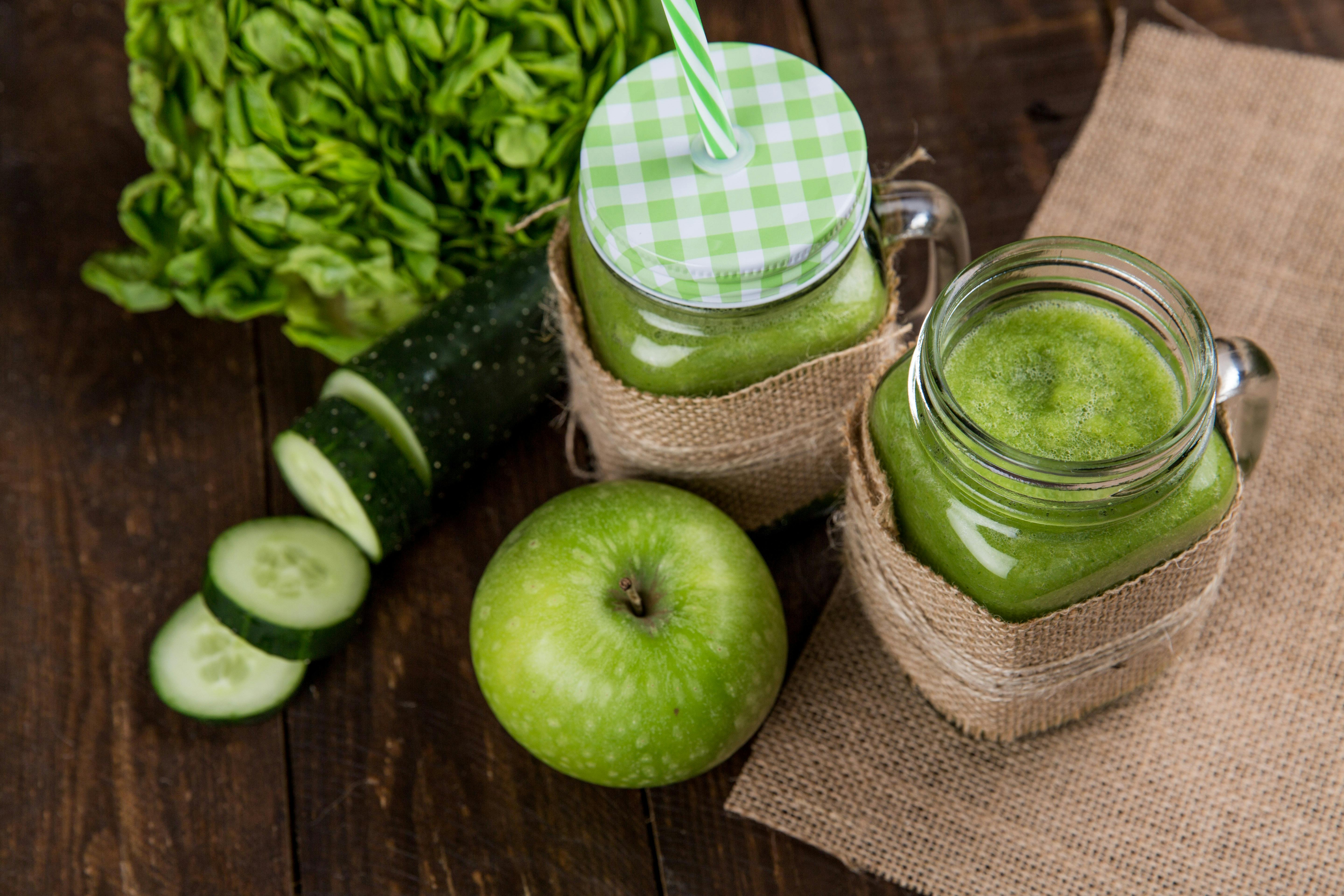
Healthy low carb smoothie recipes focus on minimizing sugars while maximizing nutrients through ingredients like leafy greens, protein powders, and unsweetened plant-based milks. This approach supports blood sugar stability, sustained energy, and weight management.
Historically, smoothies were loaded with sugary fruits and juices, but health trends have shifted toward lower glycemic options. This evolution emphasizes balance over sweetness, creating smoothies that support long-term well-being without sacrificing taste.
1.1 The Role of Carbohydrates
Carbohydrates are the body’s main source of energy, but not all carbs are created equal. Simple carbs, such as sugar, spike blood glucose levels, while complex carbs provide steady energy. Healthy low carb smoothie recipes utilize complex carbs from sources like spinach and chia seeds for optimal health.
These recipes replace high-glycemic fruits with alternatives like berries and avocado. They’re ideal for individuals managing diabetes or those on ketogenic diets. Studies show that reducing refined carbs can enhance insulin sensitivity and support weight loss.
1.2 The Power of Protein and Fats
Protein and healthy fats are essential macronutrients in low carb smoothies. They promote satiety and muscle repair. Ingredients like Greek yogurt, almond butter, and collagen peptides not only boost flavor but enhance nutritional value.
Unlike traditional fruit-heavy blends, healthy low carb smoothie recipes rely on fat and protein to deliver creamy textures and stable energy. This macro balance ensures you feel full longer and avoid sugar crashes.
Practical Implementation Guide
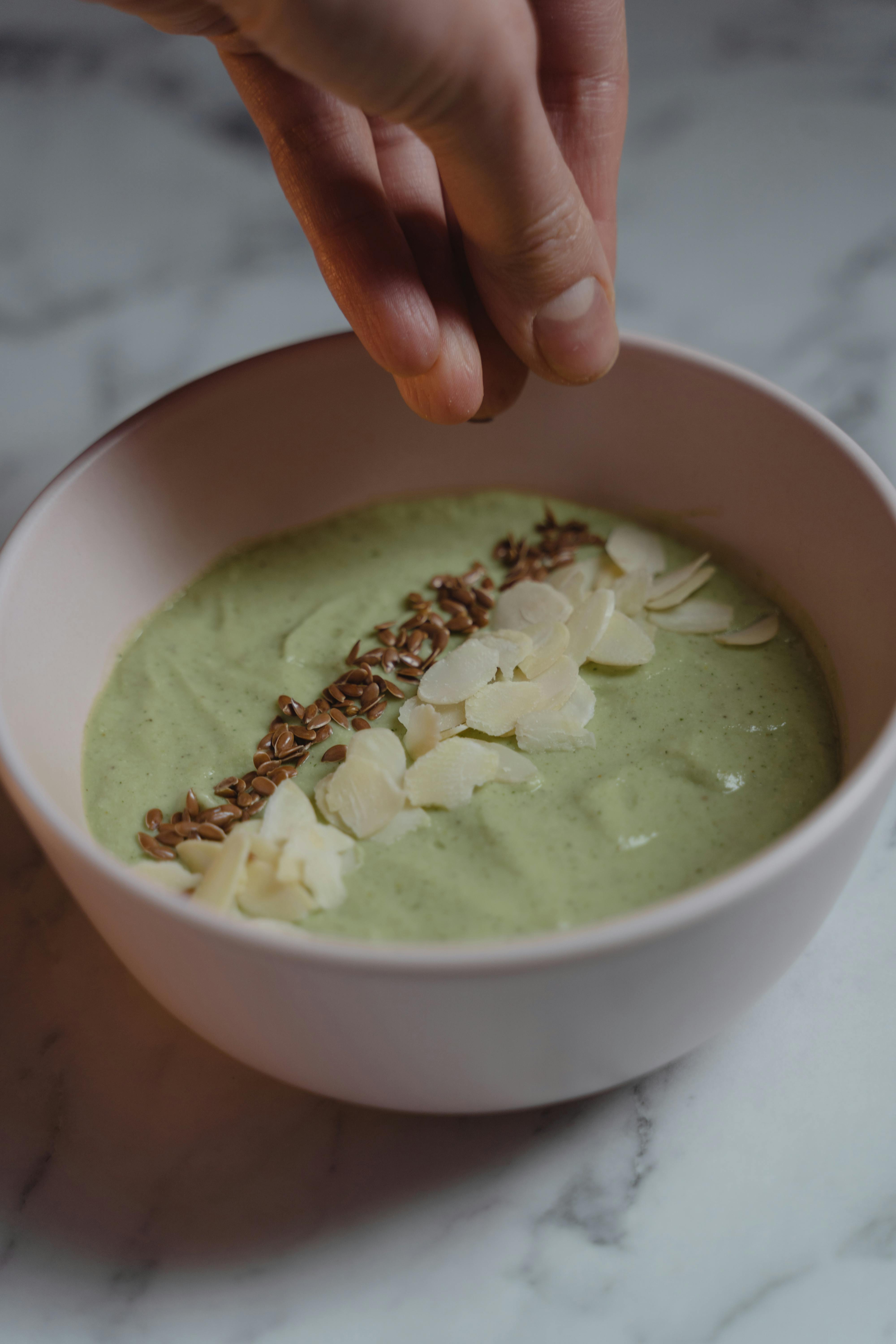
Now that we understand the core components, it’s time to put this knowledge into action. Crafting healthy low carb smoothie recipes is simpler than you think. You’ll need a few staple ingredients and a blender—results are immediate and satisfying.
2.1 Actionable Steps
- Choose a Base: Use unsweetened almond milk, coconut milk, or water for low-carb options.
- Select a Protein Source: Options include whey isolate, hemp protein, or Greek yogurt.
- Add Healthy Fats: Include ingredients like avocado, chia seeds, or MCT oil for creaminess.
- Incorporate Greens and Fiber: Spinach, kale, or psyllium husk support digestion and satiety.
- Enhance with Flavor: Use cinnamon, cocoa powder, or vanilla extract to boost taste without sugar.
2.2 Overcoming Challenges
Common issues include bitterness from greens, overly thick textures, or bland flavors. To combat this:
- Balance greens with herbs like mint or citrus zest
- Add water or ice to adjust consistency
- Use small amounts of berries or stevia for sweetness
Expert tip: Blend your greens first with liquid before adding other ingredients for a smoother result.
Advanced Applications
Once you’re comfortable with basics, you can explore more advanced healthy low carb smoothie recipes. These include nutrient timing, supplement stacking, and using smoothies as complete meal replacements. Transition to this stage when you’re consistent with daily smoothies and want targeted results.
3.1 Custom Nutrient Cycling
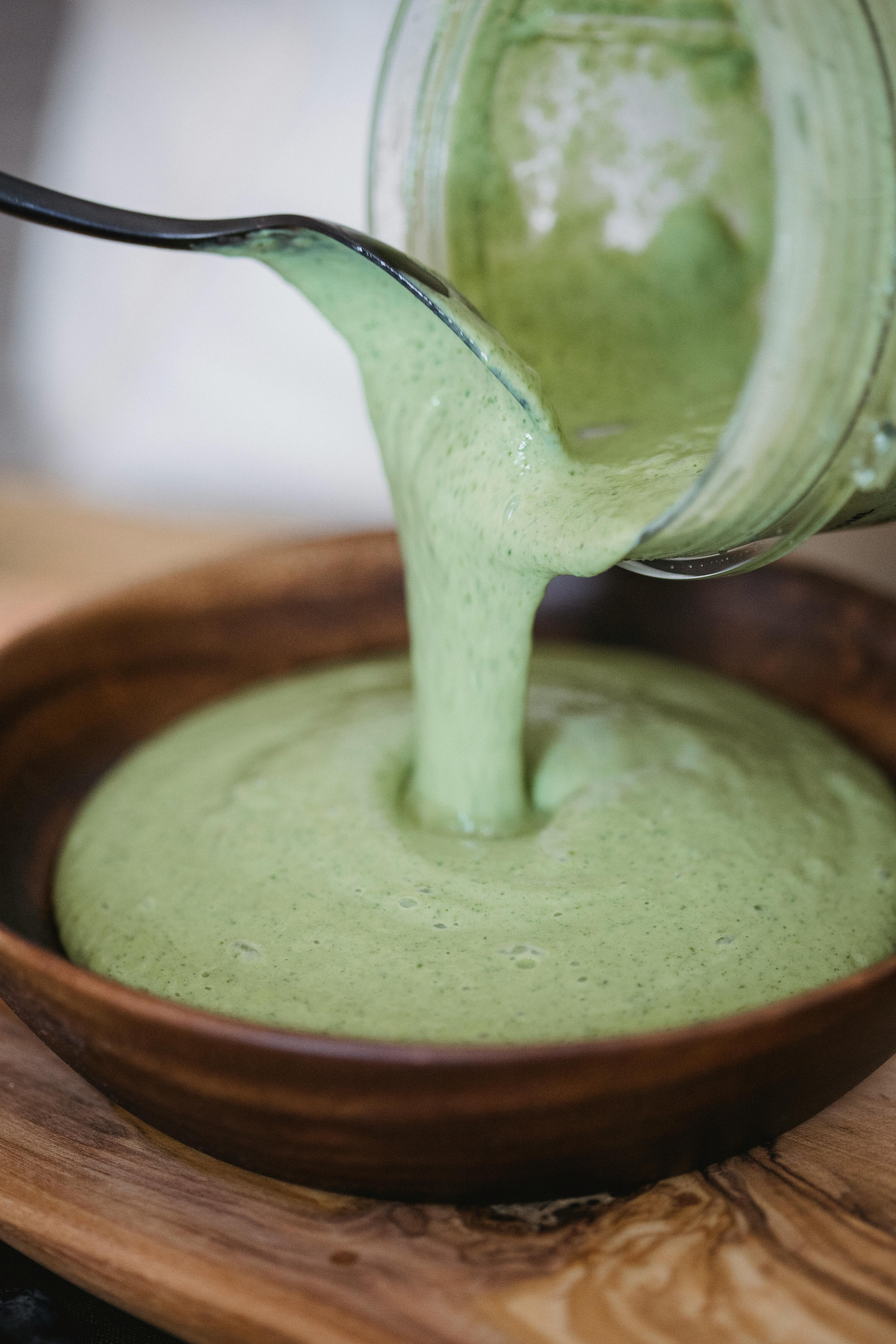
Incorporate carb cycling or intermittent fasting by timing smoothies around workouts or fasting windows. For instance, a post-workout smoothie may include a few extra carbs like blueberries for muscle recovery. Monitor performance metrics such as energy levels, weight loss, and cognitive clarity to optimize your blend.
3.2 Meal Replacement Strategies
Use smoothies as full meals by ensuring they include protein, fat, fiber, and micronutrients. Adding powdered greens, nut butters, and collagen can make a smoothie equivalent to a full lunch. Consider compatibility with dietary needs like keto, paleo, or vegan protocols.
Future Outlook
Trends in low carb nutrition suggest a growing interest in functional smoothies, including those with adaptogens, probiotics, and nootropics. The smoothie market is expected to grow substantially in the next 3–5 years, particularly among health-conscious millennials and Gen Z consumers.
To stay ahead, explore incorporating new ingredients like ashwagandha, spirulina, or mushroom extracts into your healthy low carb smoothie recipes. The future is flavorful, functional, and fully customized.
Conclusion
In summary, healthy low carb smoothie recipes offer:
- Balanced nutrition without sugar spikes
- Simple, flexible preparation methods
- Room for advanced customization
Whether you’re aiming to lose weight, gain muscle, or simply feel more energized, these recipes are a delicious step in the right direction. Start blending today and feel the difference in your mind and body.
Ready to transform your nutrition? Begin with one smoothie a day and gradually refine your recipes. The results are both sustainable and rewarding.
Frequently Asked Questions
- Q: What is a low carb smoothie? A smoothie made with ingredients low in sugars and starches—think leafy greens, avocado, unsweetened milk, and protein powder.
- Q: How do I start with low carb smoothies? Begin with a basic recipe using almond milk, spinach, protein powder, and a few berries.
- Q: How long does it take to see results? Many people report improved energy and digestion within a week. Weight loss and muscle gain depend on consistency.
- Q: Are these smoothies expensive to make? Not necessarily. You can use affordable ingredients like frozen spinach, eggs, or peanut butter to keep costs low.
- Q: How do low carb smoothies compare to regular ones? They have fewer sugars, more protein and fats, and are designed to keep you full longer without energy crashes.
- Q: Are low carb smoothies hard to make? Not at all. With a blender and a few core ingredients, anyone can make them in under 5 minutes.
- Q: Can I use these in a keto or paleo diet? Yes, they’re easily adaptable. Just avoid grains, sugars, and dairy (for paleo) or focus on high fats and low carbs (for keto).