 By mrtwinsvlog@gmail.com
Healthy Non Dairy Smoothie Recipes for Energy and Wellness
Looking for nutritious and delicious smoothies without dairy? You’re not alone. With more people adopting plant-based lifestyles, healthy non dairy smoothie recipes have become essential for anyone seeking vibrant health without compromising taste. This guide dives deep into crafting dairy-free smoothies that are both energizing and satisfying. By the end, you’ll have the knowledge, techniques, and ideas to create your perfect blend every time.
Understanding the Fundamentals
Healthy non dairy smoothie recipes are nutrient-dense drinks made without milk, yogurt, or any animal-based products. Instead, they rely on plant-based alternatives such as almond milk, coconut milk, oat milk, and more. These smoothies provide essential vitamins, minerals, fiber, and natural energy—making them a cornerstone of clean eating.
The demand for lactose-free drinks has risen due to dietary needs, veganism, and growing awareness about dairy’s effects on digestion. Embracing non dairy smoothies is more than a trend—it’s a sustainable choice for health-conscious individuals and the planet.
1.1 Benefits of Going Dairy-Free
Removing dairy from your smoothies can benefit your digestive health, skin, and even energy levels. According to recent research, around 65% of the global population has a reduced ability to digest lactose, making dairy-free alternatives a smarter option.
Beyond lactose intolerance, dairy-free smoothies are often lower in saturated fats and offer more antioxidants when made with fresh fruits, vegetables, and superfoods.
1.2 Choosing the Right Non-Dairy Base
Not all dairy alternatives are created equal. Almond milk is light and nutty, making it perfect for fruit-forward smoothies. Coconut milk adds creaminess with a tropical twist, while oat milk offers a rich, neutral base suitable for green smoothies.
Each non-dairy milk has its own nutritional profile, so choosing the right one depends on your dietary needs and flavor preferences. Homemade nut milks also provide freshness and control over ingredients.
Practical Implementation Guide
Now that you understand the benefits and core ingredients of healthy non dairy smoothie recipes, it’s time to blend! By following these practical steps, you’ll learn to combine flavors, balance nutrients, and create smoothies that keep you full and energized throughout the day.
2.1 Actionable Steps
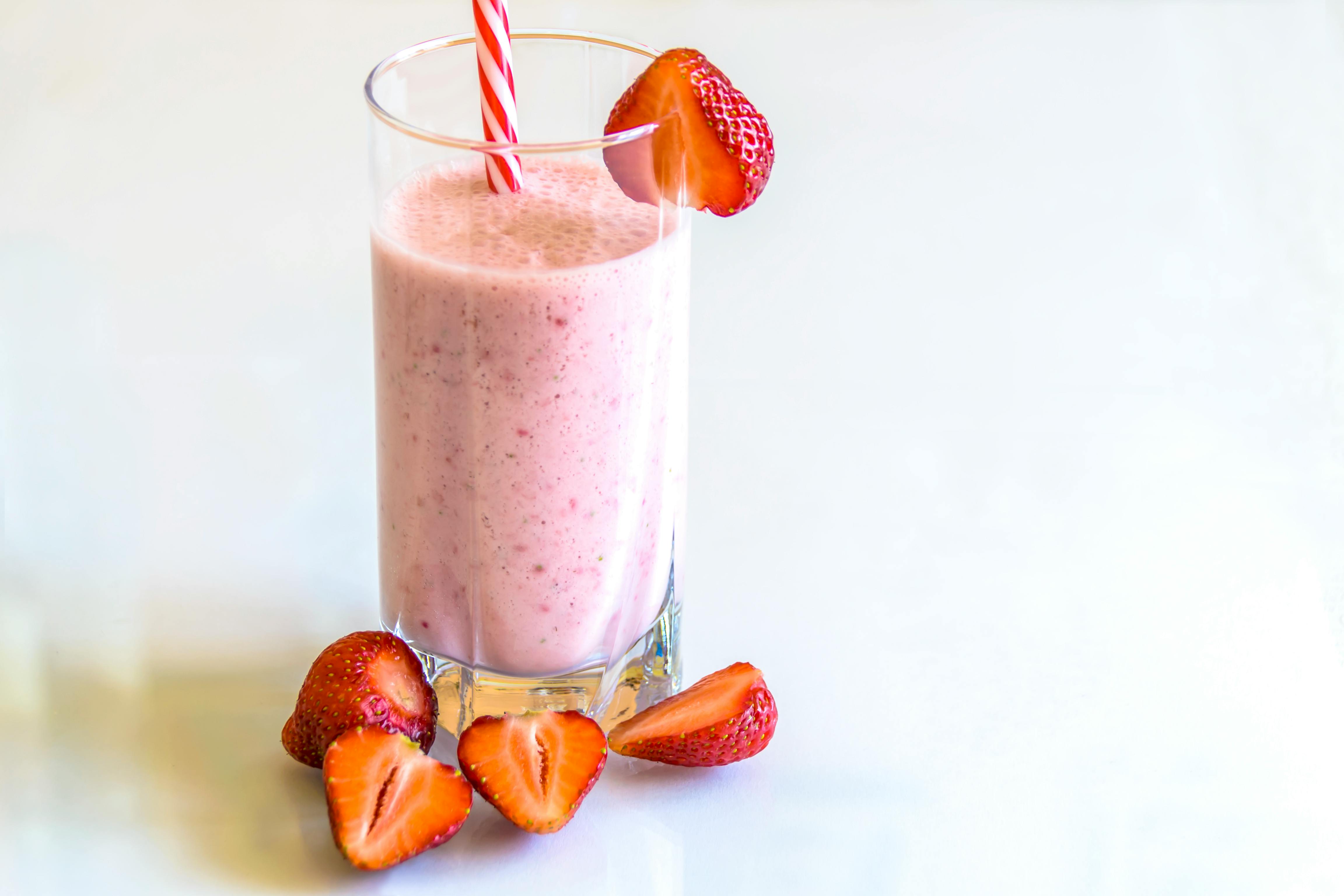
- Choose a Base: Select your non-dairy milk like almond, soy, oat, or coconut. Use about 1 to 1.5 cups for each smoothie.
- Add Fruits and Veggies: Combine bananas, berries, spinach, or kale for fiber and antioxidants. Frozen options add thickness.
- Include Healthy Fats and Protein: Add chia seeds, peanut butter, flaxseed, or vegan protein powder to enhance satiety and recovery.
- Sweeten Naturally: Use dates, maple syrup, or a splash of vanilla extract for sweetness without refined sugars.
- Blend and Taste: Blend until smooth, adjusting liquid or ice as needed. Taste and tweak for balance.
2.2 Overcoming Challenges
Common challenges with dairy-free smoothies include poor texture, bland flavor, and lack of satiety. Solutions include:
- Texture: Add frozen bananas or avocados for a creamy consistency.
- Flavor: Enhance taste with cinnamon, cocoa powder, or nut butter.
- Fullness: Incorporate oats, hemp seeds, or silken tofu for a more filling drink.
Pro tips: Don’t overload on too many ingredients. Keep a balance between fruit, veggies, and protein to ensure your healthy non dairy smoothie recipes meet nutritional needs.
Advanced Applications
Once you’re confident with the basics, take your smoothie game to the next level. Advanced techniques can elevate both taste and nutritional density, making your blends ideal for pre-workout fuel, post-gym recovery, or even meal replacements.

3.1 Superfood Enhancements
Incorporate superfoods like spirulina, maca, turmeric, or acai powder into your dairy-free smoothies. These ingredients boost immune health, improve endurance, and enhance mood. For example, adding spirulina to a banana-oat smoothie can increase its protein content and antioxidant levels significantly.
3.2 Smart Meal Prepping
Meal prepping non dairy smoothies involves portioning ingredients in freezer bags for quick blending. Combine chopped fruits, leafy greens, and seeds in a bag. In the morning, just add non-dairy milk and blend.
Ensure that any prep includes protein and fat sources to avoid sugar spikes. Meal-prepped smoothies can last up to 3 months in the freezer, making healthy eating convenient even on busy days.
Future Outlook
With plant-based lifestyles gaining traction, the future of healthy non dairy smoothie recipes looks promising. Innovations like pea milk, sunflower seed milk, and fortified plant-based proteins are already making waves in the health industry.
In the next 3-5 years, expect AI-driven blenders that tailor recipes to your body’s nutrient needs and smart packaging that maintains freshness without preservatives. Staying informed on these trends will empower your wellness journey.
Conclusion
To recap, healthy non dairy smoothie recipes are a powerful tool for anyone looking to live better, feel energized, and enjoy their food. From understanding ingredients to mastering advanced techniques, you now have a roadmap for blending success.
Start experimenting today. Create your own signature smoothie. Grab your blender, pick your base, and discover just how tasty health can be. Cheers to your wellness journey—one sip at a time!
Frequently Asked Questions
- Q: What is a non dairy smoothie? A smoothie made without milk or dairy-based yogurt. It uses plant-based alternatives like almond, coconut, or oat milk.
- Q: How do I start making dairy-free smoothies? Begin with a simple base like almond milk, add bananas and frozen berries, then blend with a sweetener and protein source.
- Q: How long does it take to make a non dairy smoothie? Most healthy non dairy smoothie recipes take less than 10 minutes from start to finish.
- Q: Are non dairy smoothies expensive to make? Costs vary based on ingredients, but you can keep it budget-friendly with seasonal fruits and bulk seeds.
- Q: How do non dairy smoothies compare to traditional ones? They offer similar texture and taste but are often easier to digest and lower in saturated fat.
- Q: Is it hard to make smoothies without yogurt? Not at all—use frozen bananas or avocados for creaminess, or plant-based yogurts as substitutes.
- Q: Can I use non dairy smoothies in professional meal planning? Absolutely. They are ideal for wellness-focused diets, fitness routines, and vegan meal services.