 By mrtwinsvlog@gmail.com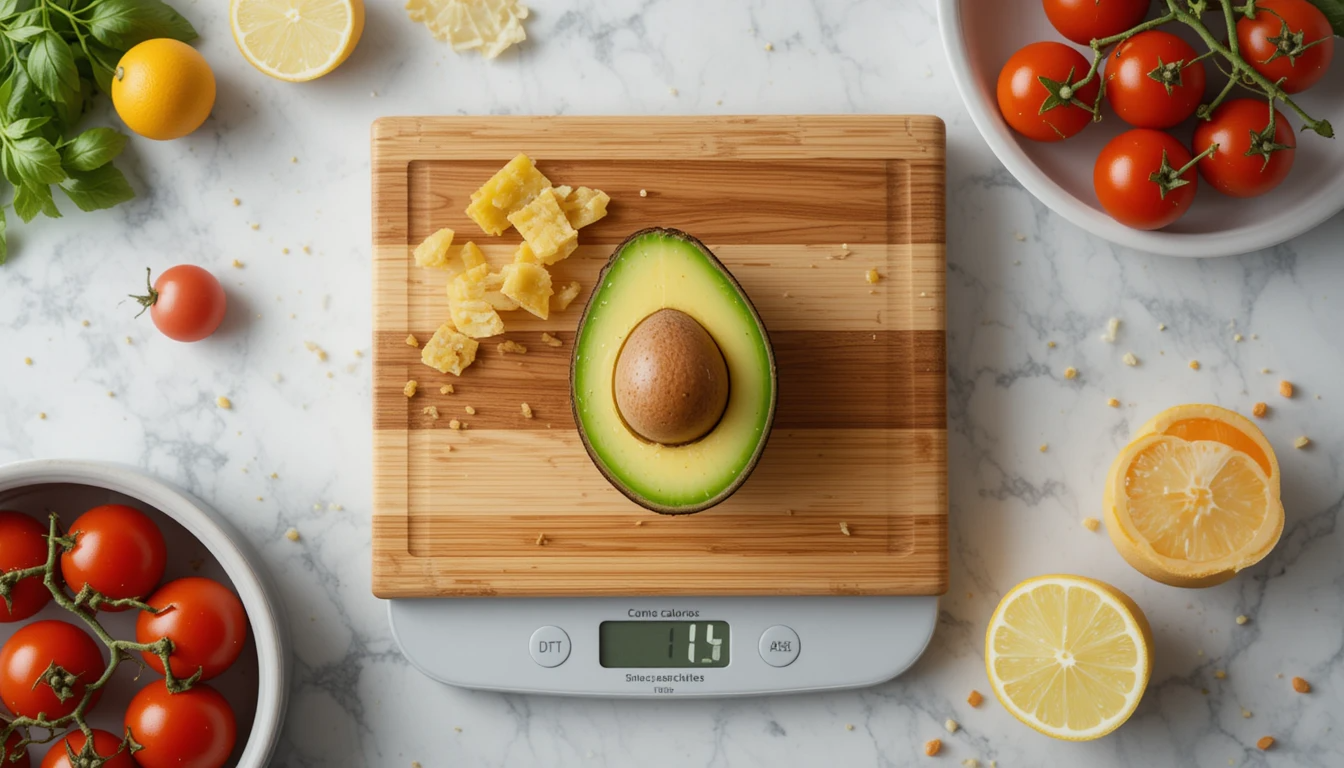
Small avocado calories are often misunderstood when it comes to their calorie content. Despite their compact size, they pack a significant amount of energy and nutrients, making them a powerful component of a healthy diet. These creamy green fruits have become increasingly popular due to their flavor, texture, and numerous health benefits. Whether you’re spreading small avocado calorieson toast, adding it to salads, or blending it into smoothies, understanding how many calories are in a small avocado calories can help you manage your daily intake more effectively.
The average small avocado, which typically weighs around 150 grams or less, contains approximately 160 to 250 calories. This variation depends on the fruit’s ripeness, size, and variety. Some smaller avocados, like the Hass variety, may have more concentrated fat content, which contributes to a higher calorie count per gram. However, these calories are not empty; they come primarily from heart-healthy monounsaturated fats, fiber, and essential nutrients. Knowing exactly how many calories are in a small avocado is important as people become more conscious of their calorie intake, especially when it comes to weight loss or fitness regimens.
How Calories in Small Avocados Are Distributed
A closer look at the calories in a small avocado reveals that most of the energy comes from healthy fats. Around 75% of the calories are derived from monounsaturated and polyunsaturated fats, which are known to support cardiovascular health and reduce bad cholesterol levels. The remaining calories come from a moderate amount of carbohydrates and a small portion of protein. Unlike many fruits, small avocado caloriesare low in sugar, making them unique in the fruit category.
Because one gram of fat contains nine calories, even a small avocado calories can significantly increase daily caloric intake. In a small avocado, there are generally about 15 to 23 grams of fat, which equals approximately 135 to 207 calories from fat alone. Carbohydrates make up about 8 to 12 grams in a small avocado, translating to 32 to 48 calories, while protein content ranges from 2 to 3 grams, contributing another 8 to 12 calories. This balanced nutrient profile makes avocados both energy-dense and nutritionally rewarding.
Nutritional Benefits Beyond the Calories
Focusing solely on the calories in a small avocado overlooks its numerous health benefits. These fruits are exceptionally rich in vitamins and minerals, including potassium, vitamin E, vitamin K, and B-complex vitamins such as B6 and folate. Additionally, they contain potent antioxidants like lutein and zeaxanthin, which are crucial to the health of the eyes. The high potassium content helps regulate blood pressure and maintain electrolyte balance, while vitamin K supports bone health and blood clotting functions.
The fiber in small avocados, about 6 to 7 grams per fruit, plays a crucial role in digestive health. It aids in regular bowel movements, helps control blood sugar levels, and promotes satiety, making you feel full longer. This fullness factor makes avocados especially beneficial for those aiming to reduce calorie consumption without feeling deprived. Although high in calories for their size, avocados provide more satiety per calorie compared to many other foods, helping to prevent overeating and unnecessary snacking.
Impact on Weight Management and Fitness Goals
The calories in a small avocado can actually help you achieve your weight management goals if you incorporate them mindfully. Despite being high in fat, avocados have been shown in several studies to support fat loss rather than contribute to weight gain. This is largely because the monounsaturated fats found in avocados help improve metabolic rate and increase satiety. Additionally, the low carbohydrate and high fiber content prevents insulin spikes, which can otherwise lead to fat storage.
Fitness enthusiasts often turn to avocados as a healthy source of calories that support endurance and recovery. Healthy fats, fiber, and micronutrients help muscles recover from exercise and maintain energy levels during physical activity. Avocados also pair well with protein-rich foods, making them a common addition to post-exercise meals. Their healthy fats support hormonal health, which is crucial for muscle development and metabolic functions.
Comparing Small Avocados to Larger Ones
It’s easy to assume that a smaller avocado is always the better choice for calorie control, but the reality depends on your dietary goals and total food consumption for the day. A large avocado might contain over 320 calories, while a small one can be just half that, making it more portion-friendly. However, regardless of size, the nutritional density remains constant. You’re still getting the same healthy fats, fiber, and vitamins — just in different quantities.
In many cases, people consume only half a small avocado, which brings the calorie count down to a very manageable 80 to 125 calories. This makes it ideal for controlled meal planning, especially in calorie-restricted diets. Moreover, smaller avocados often have a richer taste due to a denser concentration of oils, providing better flavor in a compact serving. Therefore, choosing a small avocado can satisfy cravings without overwhelming your daily caloric budget.
Cooking, Serving, and Caloric Variation
How you prepare and serve a ssmall avocado calories can significantly influence the final calorie count of your meal. Eating the fruit plain or with a sprinkle of salt adds no additional calories. However, pairing it with calorie-dense foods like mayonnaise, cheese, or chips can rapidly increase the total caloric content. Even something as seemingly harmless as avocado toast can double in calories if served on buttered bread with fried eggs or cheese.
One of the best ways to enjoy a small avocado calories while keeping calories in check is to mix it with fresh vegetables, lean protein sources, or whole grains. This way, the nutritional value is amplified without adding excessive calories. Blending small avocado calories into smoothies is another healthy practice, as it adds a creamy texture and healthy fats without relying on artificial sweeteners or high-sugar fruit juices. Understanding these nuances helps you enjoy small avocados without inadvertently increasing your caloric intake.
Caloric Misconceptions and Marketing
Misconceptions about avocados’ calorie content frequently arise as a result of their promotion as a “superfood.” While they are indeed packed with essential nutrients, the term “superfood” can cause people to overlook the caloric density of avocados, especially small ones. It’s a common misconception among consumers that smaller fruits are always low in calories. A small avocado calories can still be calorie-dense, depending on the variety and ripeness.
Restaurants and fast-food chains often serve avocado-based dishes labeled as healthy, but the added ingredients often make them calorically excessive. For example, a seemingly harmless avocado wrap can exceed 700 calories if loaded with sauces and oils. Therefore, while small avocados are nutritious, their calories must still be accounted for in balanced eating. Pre-packaged or commercially prepared avocado meals contain hidden calories, so consumers should be aware of them and make informed decisions.
Final Thoughts
When eaten in moderation, small avocado calories are a useful addition to a healthy diet. Their calorie content, while relatively high for their size, is justified by their nutritional richness. They offer an excellent source of healthy fats, fiber, and key vitamins that support various bodily functions. By being mindful of portion sizes and preparation methods, small avocados can enhance your diet without leading to excessive calorie intake.
Whether you’re looking to lose weight, maintain a healthy lifestyle, or simply enjoy a flavorful and nutritious fruit, small avocados offer a perfect balance of taste and health. Their creamy texture and rich nutrient profile make them versatile for a variety of dishes. When used wisely, the calories in a small avocado contribute to long-term wellness rather than diet setbacks. Understanding the true caloric impact of small avocados empowers better dietary decisions and promotes a more balanced, informed approach to healthy eating.